Tell us about the job
Takes about a minute. No obligation.
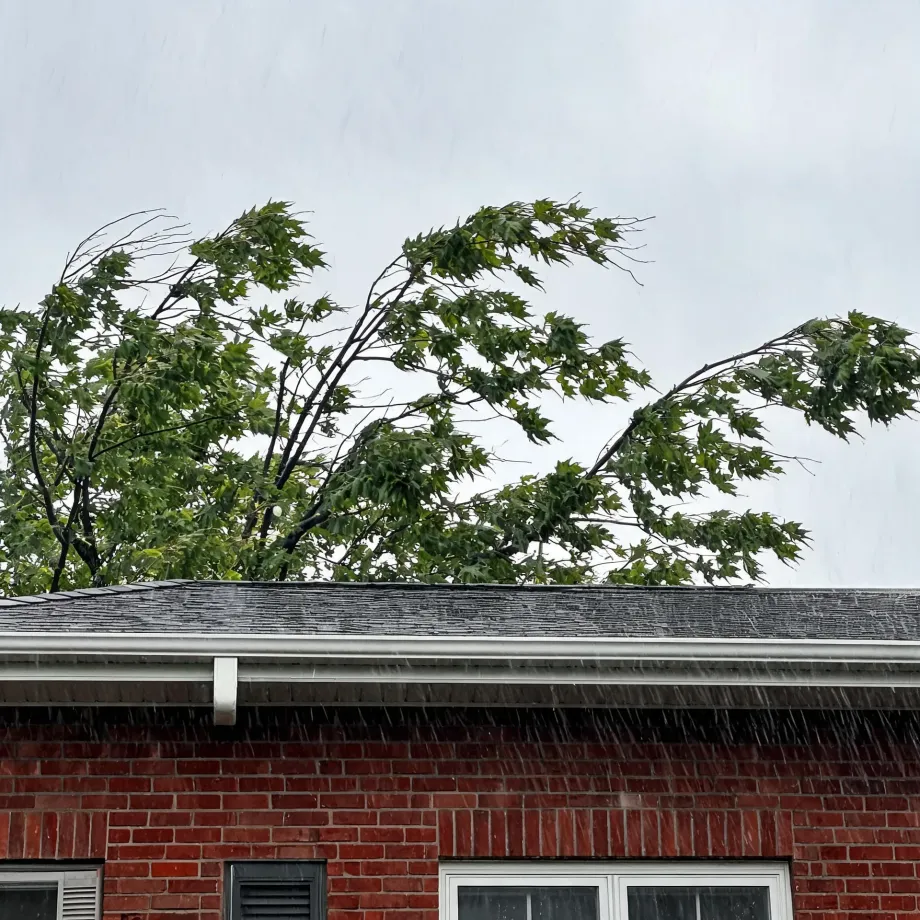
A contractor quoting a water heater installation in Northampton County has to account for what this area's climate puts on residential equipment year after year, not just at the edges of an unusual season. 220 severe weather events were recorded in Northampton County, Pennsylvania between 2015 and 2024. At that rate, severe weather is part of the normal operating environment, which means the quality of the install itself carries more weight here. Proper mounting, connection integrity, and correct sizing for local demand are what determine how the unit holds up under that recurring load.
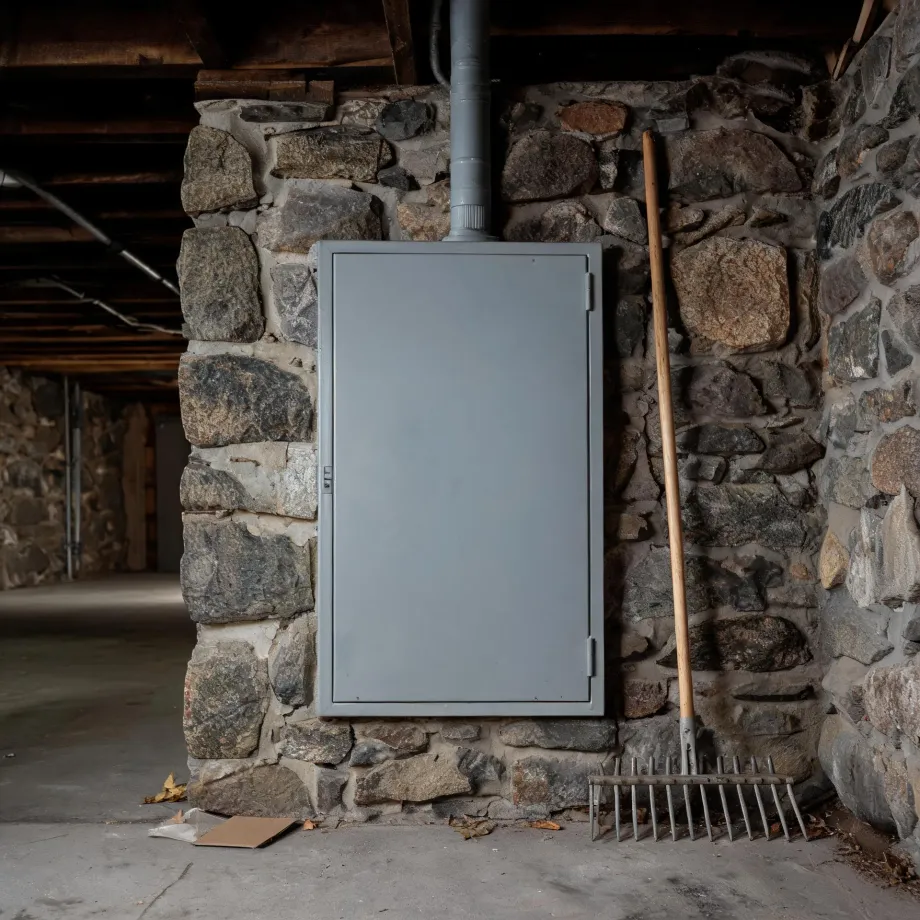
Older electrical panels were sized for the appliances of their era, and a water heater drawing on current equipment standards can push past what those panels were designed to carry. Half the homes in Northampton County, Pennsylvania were built in 1971 or earlier (2020-2024 ACS 5-year). A contractor installing a water heater in stock like this has to look at the panel before pricing the job, not after, because an undersized service turns a straightforward swap into an electrical upgrade first.
What a New Water Heater Installation Covers
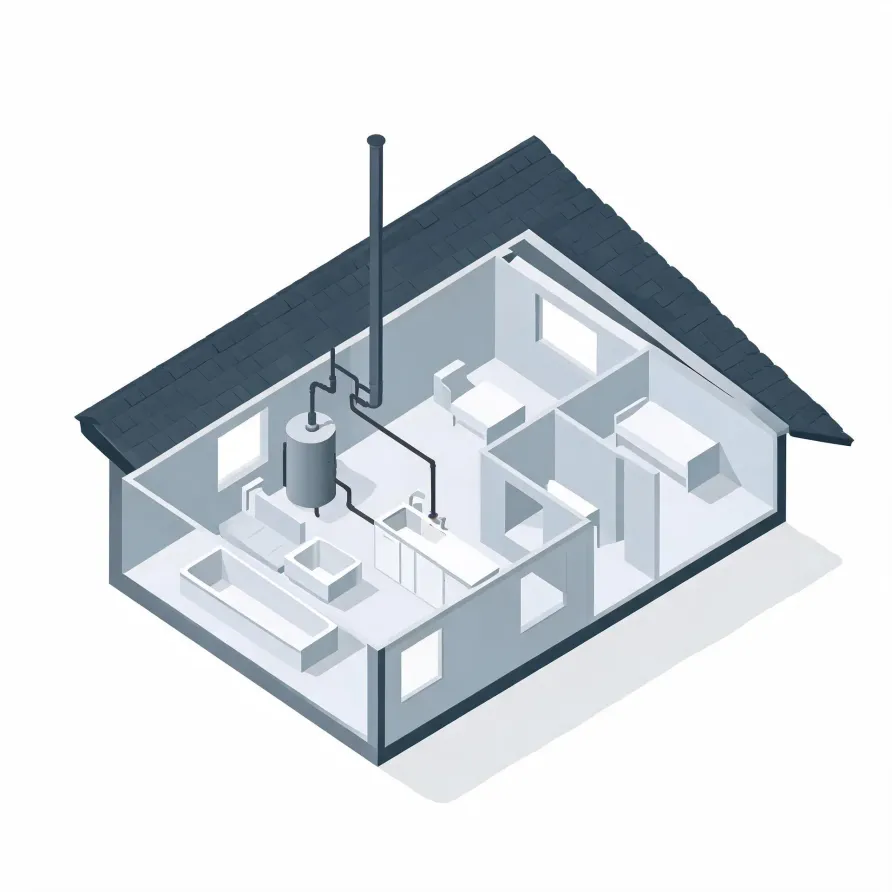
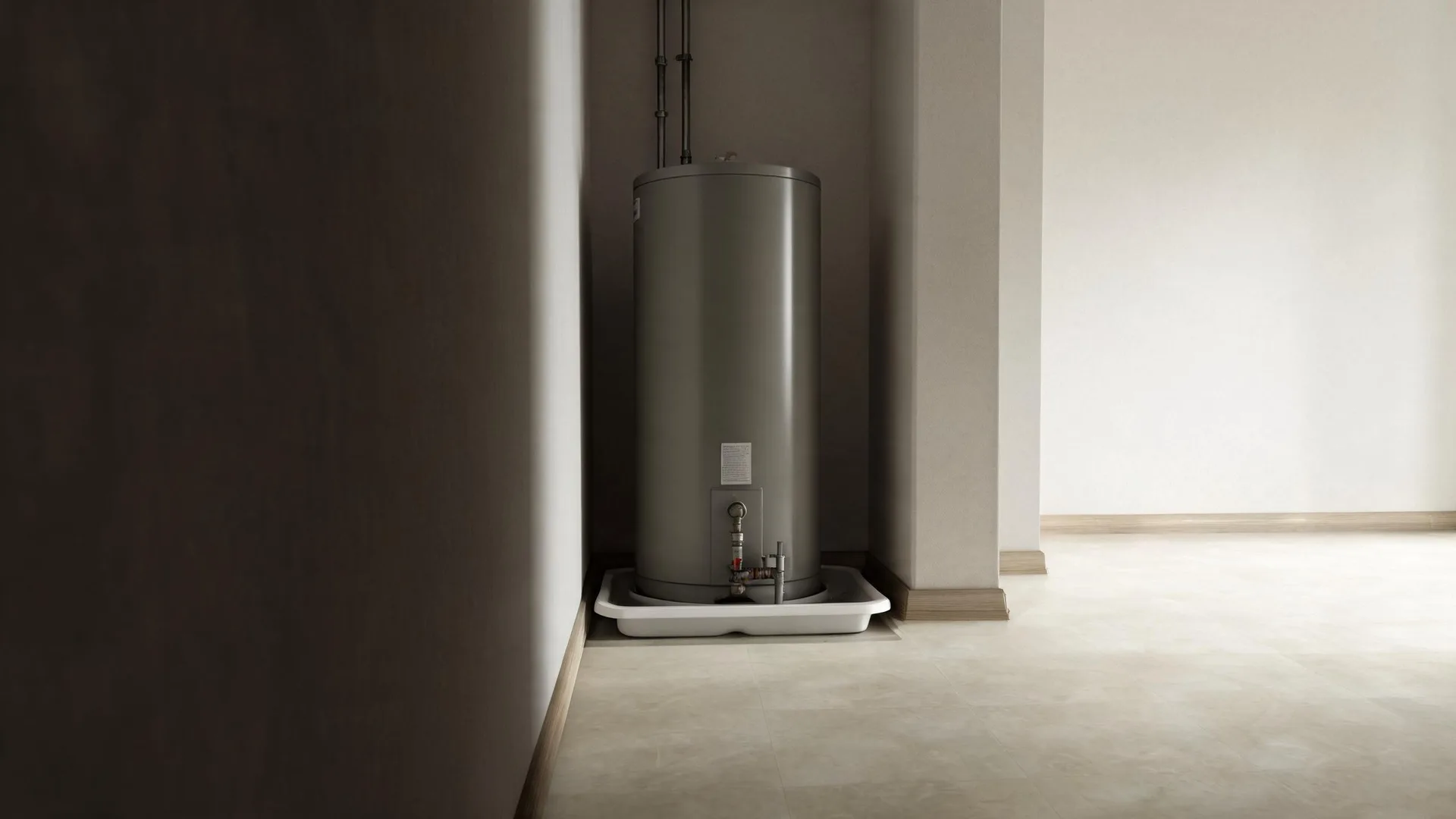
The tank or tankless unit is the piece a homeowner sees first, sitting in a utility room, basement, or closet. It holds or heats water on demand and connects directly to the home's cold supply line. A pressure relief valve mounts on the unit itself, releasing pressure if it climbs beyond a safe range.
A shut-off valve on the cold inlet lets a contractor isolate the unit without cutting water to the whole house. The drain valve at the base of the unit gives access for flushing sediment. Supply lines run from the unit to the rest of the home, and a flue or venting pipe exits through the wall or roof on fuel-burning models.
The drawing shows a general layout of these components, and a licensed contractor determines exactly what applies to the setup in your home.
Find a contractor in Northampton CountyNorthampton County, by the numbers
220 severe weather events were recorded in Northampton County, Pennsylvania between 2015 and 2024.
NOAA National Centers for Environmental Information, Storm Events Database, bulk CSV export, events 2015-01-01 through 2024-12-31.Half the homes in Northampton County, Pennsylvania were built in 1971 or earlier (2020-2024 ACS 5-year).
U.S. Census Bureau, 2020-2024 American Community Survey 5-Year EstimatesNorthampton County, Pennsylvania holds 129,448 housing units (2020-2024 ACS 5-year).
U.S. Census Bureau, 2020-2024 American Community Survey 5-Year EstimatesOwners occupy 71.1% of the occupied homes in Northampton County, Pennsylvania (2020-2024 ACS 5-year).
U.S. Census Bureau, 2020-2024 American Community Survey 5-Year EstimatesSevere Weather Events in Northampton County
Water heaters work harder when outdoor conditions swing hard, and Northampton County's weather record is part of what shapes that load. A unit sized and installed for local conditions holds up better than one spec'd without that context.
220 severe weather events, 2015–2024. Source: NOAA National Centers for Environmental Information, Storm Events Database.