Tell us about the job
Takes about a minute. No obligation.
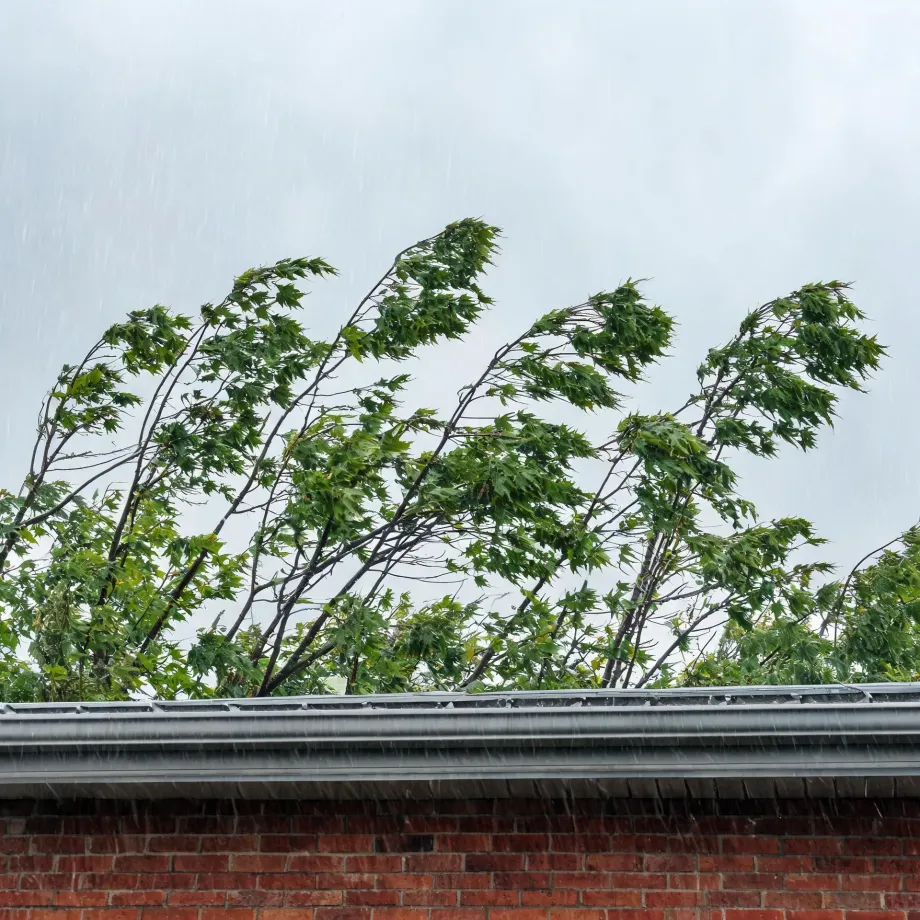
A water heater installation in Clarion County starts with what the climate has already committed the equipment to. 174 severe weather events were recorded in Clarion County, Pennsylvania between 2015 and 2024. At that rate, severe weather is part of the normal operating environment, and a contractor who ignores it when sizing or specifying a unit leaves the homeowner with equipment calibrated for a place with a quieter record. Recovery capacity, tank specifications, and mounting decisions all get shaped by what systems here routinely run against.
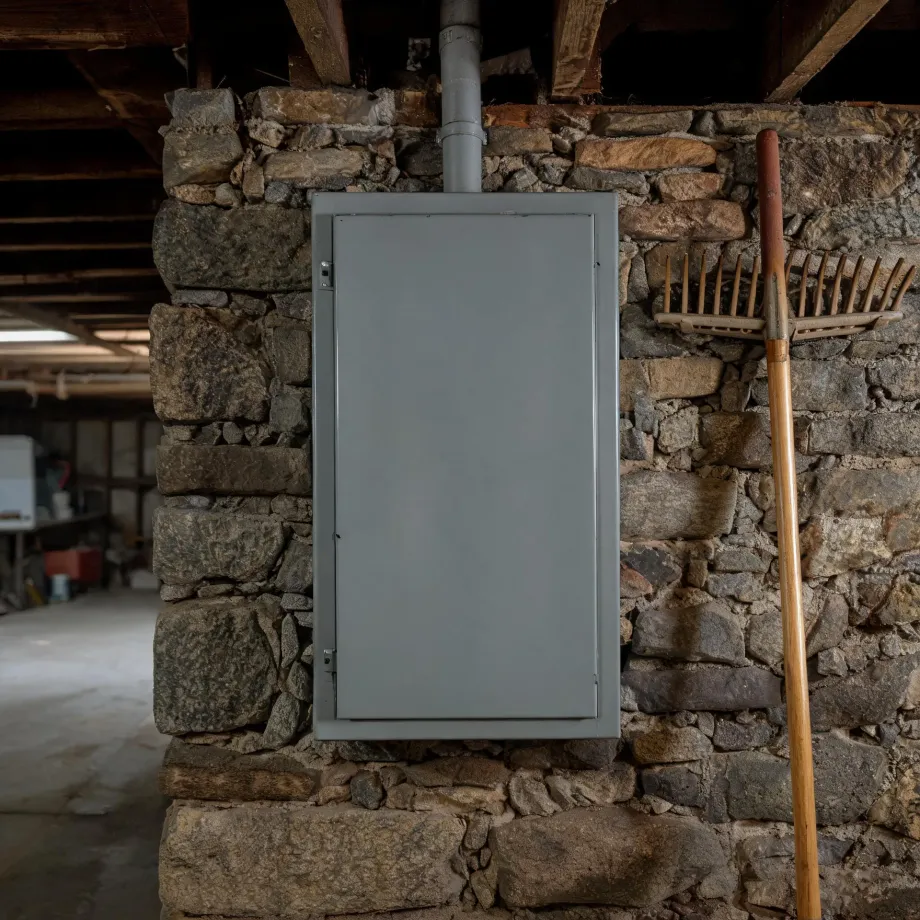
Older wiring decides more water heater jobs in this county than the unit itself does. Half the homes in Clarion County, Pennsylvania were built in 1967 or earlier (2020-2024 ACS 5-year). A home built around that year was likely wired for resistance loads smaller than a modern electric water heater draws, and what a contractor finds at the panel determines whether the installation is straightforward or whether the service needs work before the new unit can run. The ductwork question does not apply here, but the electrical one lands on nearly every job in stock this age.
What a Water Heater Installation Covers
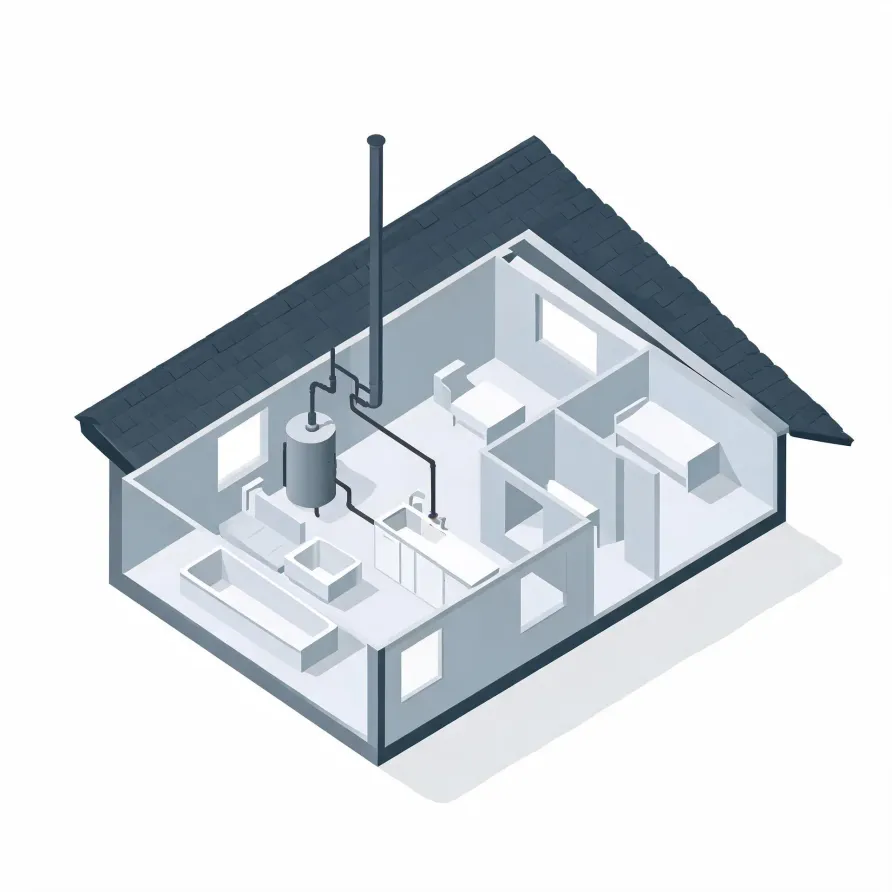
The tank or heating unit is the center of the system. In most homes it stands in a utility room, basement, or garage, and its job is to hold and heat water until a tap or appliance calls for it. The pressure relief valve mounts directly on the unit and releases pressure if the tank runs too high.
The cold supply line brings water in from the main, and the hot output line carries heated water out to the rest of the house. A drain valve sits near the base of the tank. The flue or venting pipe, where the system requires one, runs from the unit up and out through the wall or roof.
The drawing shows a general layout of these components, and a licensed contractor determines what the installation requires in your specific home.
Find a contractor in Clarion CountyClarion County, by the numbers
174 severe weather events were recorded in Clarion County, Pennsylvania between 2015 and 2024.
NOAA National Centers for Environmental Information, Storm Events Database, bulk CSV export, events 2015-01-01 through 2024-12-31.Half the homes in Clarion County, Pennsylvania were built in 1967 or earlier (2020-2024 ACS 5-year).
U.S. Census Bureau, 2020-2024 American Community Survey 5-Year EstimatesClarion County, Pennsylvania holds 18,856 housing units (2020-2024 ACS 5-year).
U.S. Census Bureau, 2020-2024 American Community Survey 5-Year EstimatesOwners occupy 72.5% of the occupied homes in Clarion County, Pennsylvania (2020-2024 ACS 5-year).
U.S. Census Bureau, 2020-2024 American Community Survey 5-Year EstimatesSevere Weather Events in Clarion County
Extreme weather puts real strain on water heating equipment, running it harder and longer than mild conditions do. How much of that pressure Clarion County sees is a local question, and it shapes what a water heater here needs to handle.
174 severe weather events, 2015–2024. Source: NOAA National Centers for Environmental Information, Storm Events Database.