Tell us about the job
Takes about a minute. No obligation.
A contractor sizing and installing a water heater in Beaver County has to treat the local weather as a working variable, not background noise. 235 severe weather events were recorded in Beaver County, Pennsylvania between 2015 and 2024. At that rate, severe weather is a regular feature of operating life here, and a unit installed without accounting for it will be asked to perform under conditions the spec ignored. Sediment buildup accelerates, pressure relief components work harder, and the connections most likely to loosen are the ones a careful install gets right before the system ever runs.
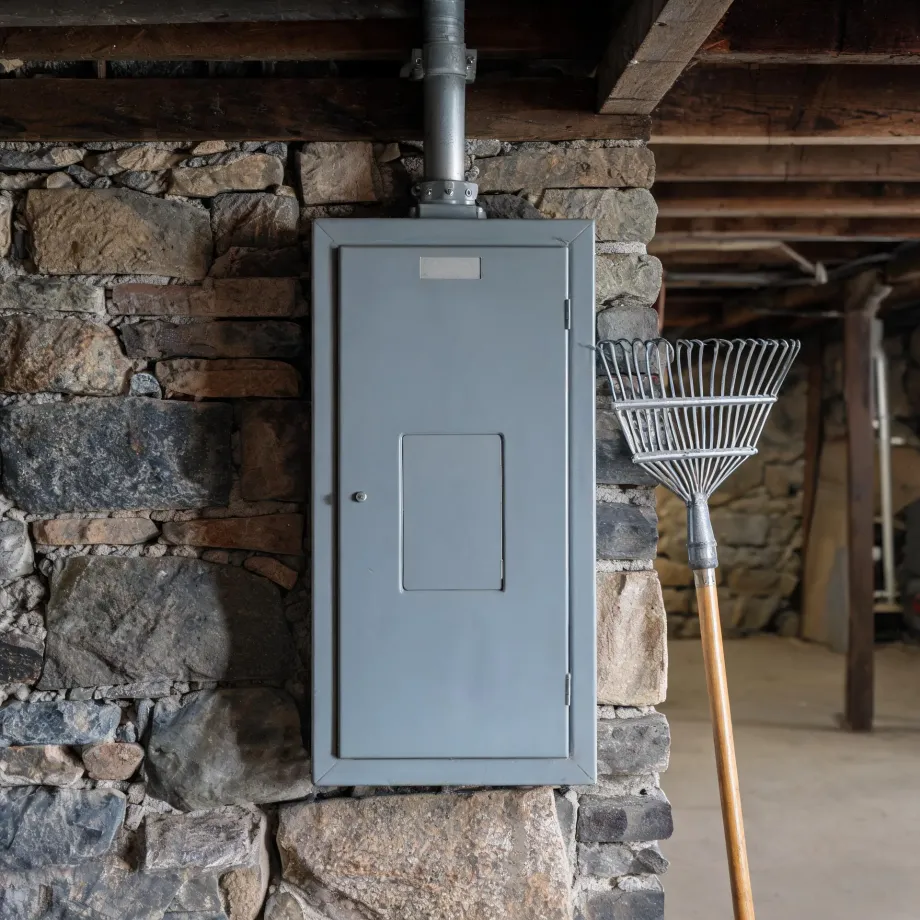
The electrical panel a house was built with tells a contractor more about the water heater job than the water heater itself does. Half the homes in Beaver County, Pennsylvania were built in 1957 or earlier (2020-2024 ACS 5-year). Wiring from that period was designed around the loads common then, and a new electric water heater can draw more than that service was ever intended to carry. A contractor pricing an installation here checks the panel and the circuit before pricing the unit, because an upgrade to one can change the scope of the other entirely.
What a New Water Heater Installation Covers
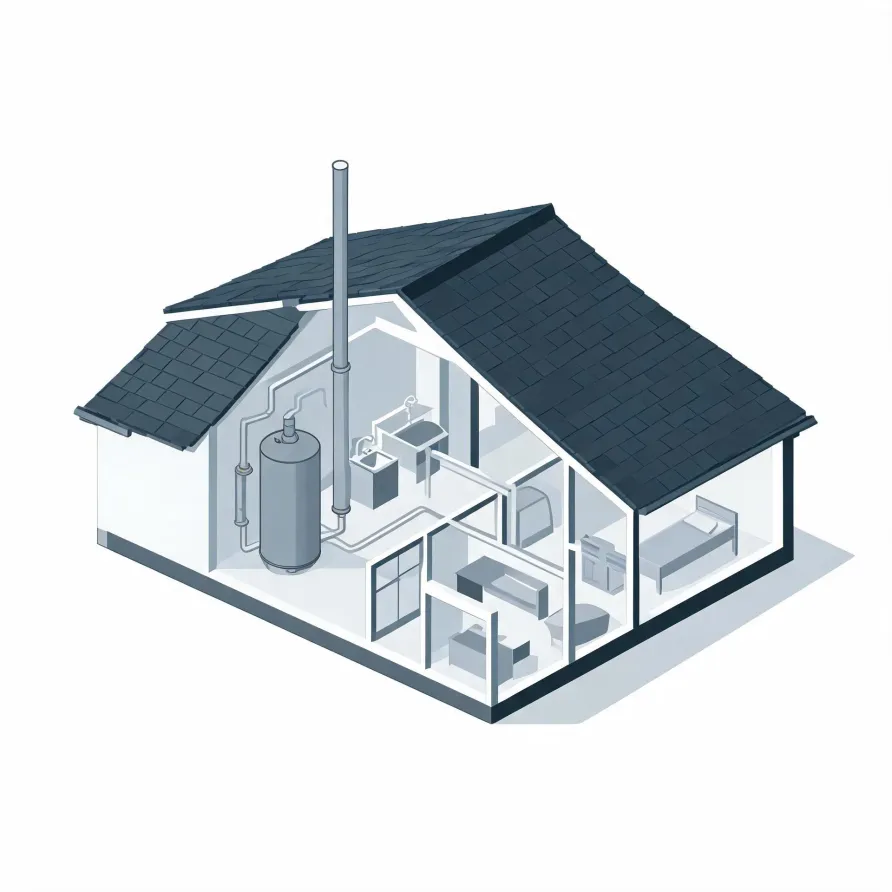
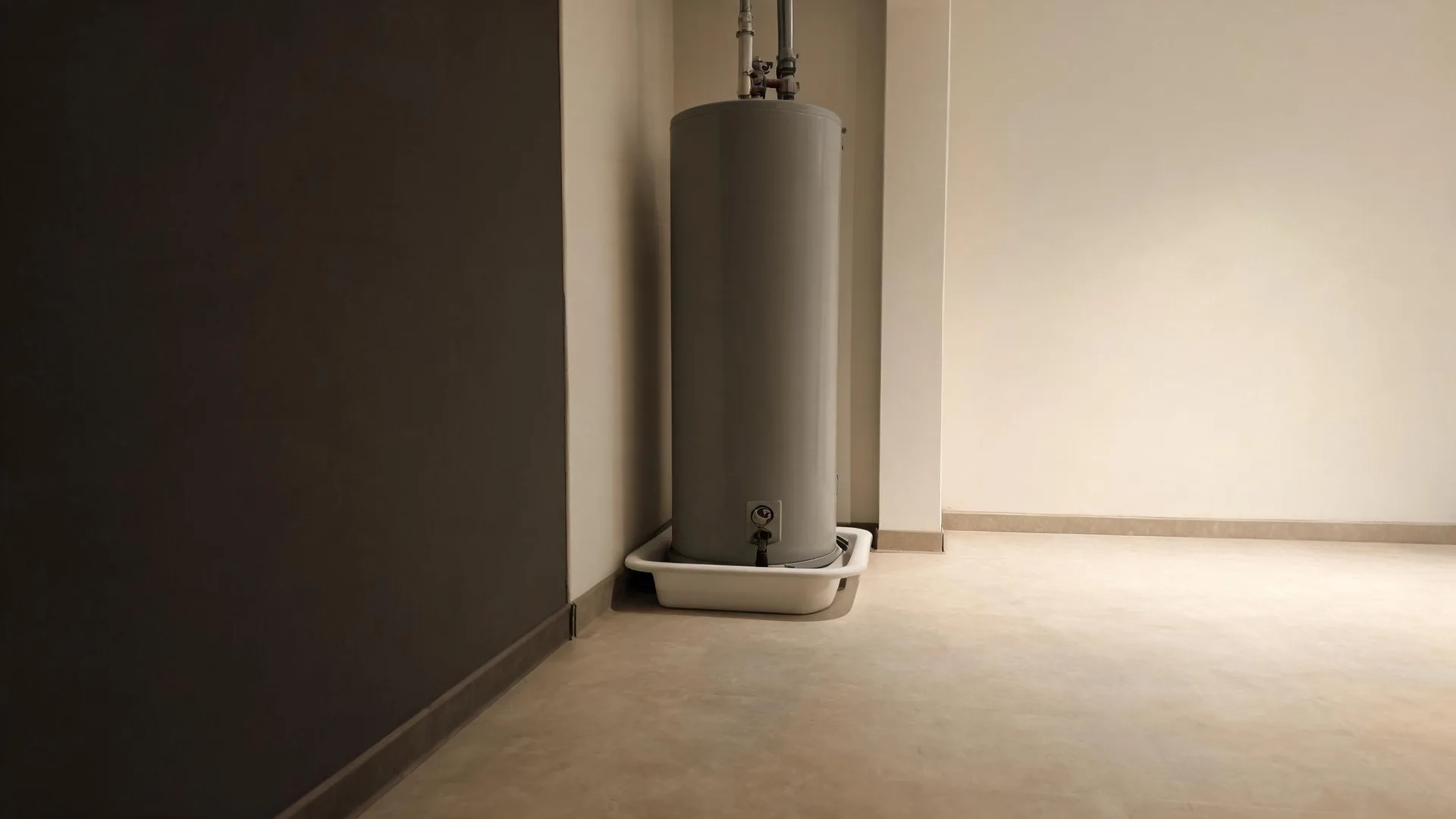
The tank is the piece a homeowner sees right away. It sits in a utility room, basement, or closet and holds a supply of water that a heating element or burner keeps at temperature. Cold water enters at the bottom through an inlet pipe, and hot water leaves from the top through an outlet pipe connected to the rest of the house.
The pressure relief valve mounts on the side of the tank and opens if pressure inside builds past a safe point. A drain valve sits near the base. The flue or exhaust vent runs from the top of a gas unit up through the wall or ceiling, carrying combustion gases out of the house.
The drawing shows a typical layout, and a licensed contractor determines what applies to your specific home and setup.
Find a contractor in Beaver CountyBeaver County, by the numbers
235 severe weather events were recorded in Beaver County, Pennsylvania between 2015 and 2024.
NOAA National Centers for Environmental Information, Storm Events Database, bulk CSV export, events 2015-01-01 through 2024-12-31.Half the homes in Beaver County, Pennsylvania were built in 1957 or earlier (2020-2024 ACS 5-year).
U.S. Census Bureau, 2020-2024 American Community Survey 5-Year EstimatesBeaver County, Pennsylvania holds 79,328 housing units (2020-2024 ACS 5-year).
U.S. Census Bureau, 2020-2024 American Community Survey 5-Year EstimatesOwners occupy 75.0% of the occupied homes in Beaver County, Pennsylvania (2020-2024 ACS 5-year).
U.S. Census Bureau, 2020-2024 American Community Survey 5-Year EstimatesWeather Stress on Water Heaters in Beaver County
Extreme weather puts a real load on water heaters, pushing equipment harder and shortening the window before repairs or replacement become necessary. How much pressure a unit faces depends on local conditions, which is why installation decisions in Beaver County are not the same as those made somewhere else.
235 severe weather events, 2015–2024. Source: NOAA National Centers for Environmental Information, Storm Events Database.