Tell us about the job
Takes about a minute. No obligation.
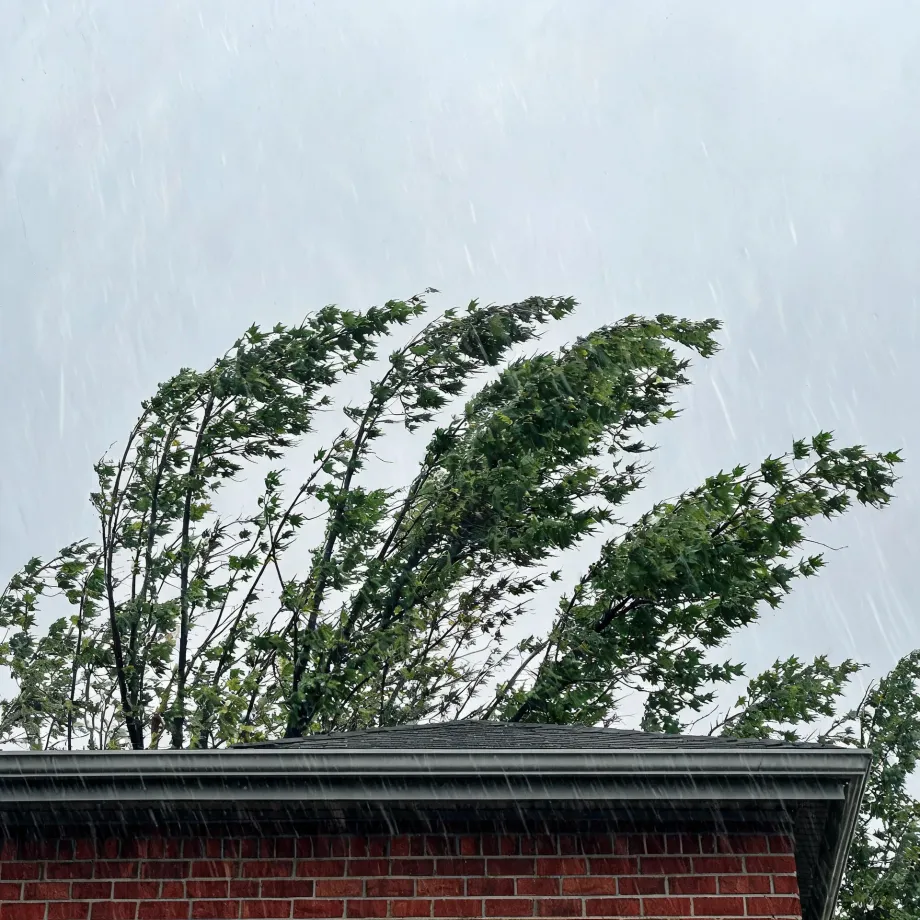
A water heater contractor quoting a job in Lackawanna County starts from a specific question: what has this system been running against, and what will the next one have to handle. 177 severe weather events were recorded in Lackawanna County, Pennsylvania between 2015 and 2024. At that rate, severe weather is part of the normal operating environment here, and sizing decisions, connection work, and equipment selection all reflect that. A unit specified for a calmer area will be underbuilt for what this county routinely delivers.
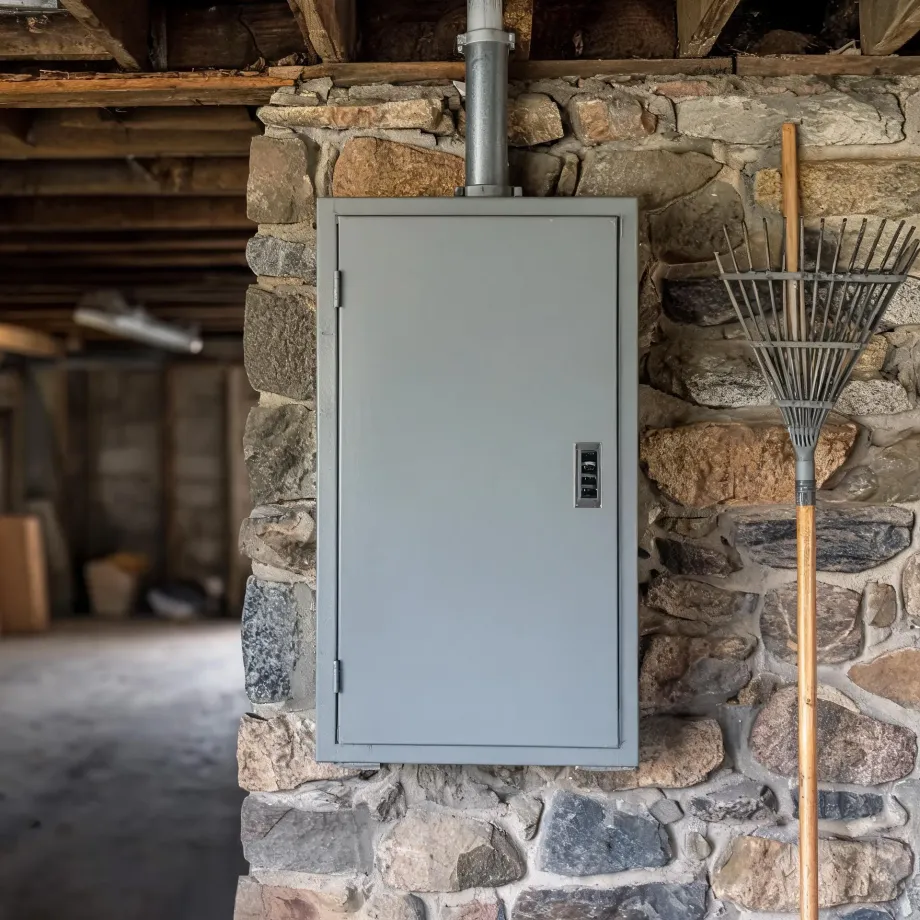
Older electrical panels are the variable that most often changes what a water heater installation costs and how long it takes in this county. Half the homes in Lackawanna County, Pennsylvania were built in 1955 or earlier (2020-2024 ACS 5-year). A house built before mid-century was wired for loads that bear little resemblance to what a modern water heater draws, and many of those panels were never upgraded when the plumbing was. A contractor quoting the job opens the panel box before settling on anything, because the unit itself is straightforward to select once the service capacity is known.
What Gets Installed With a New Water Heater
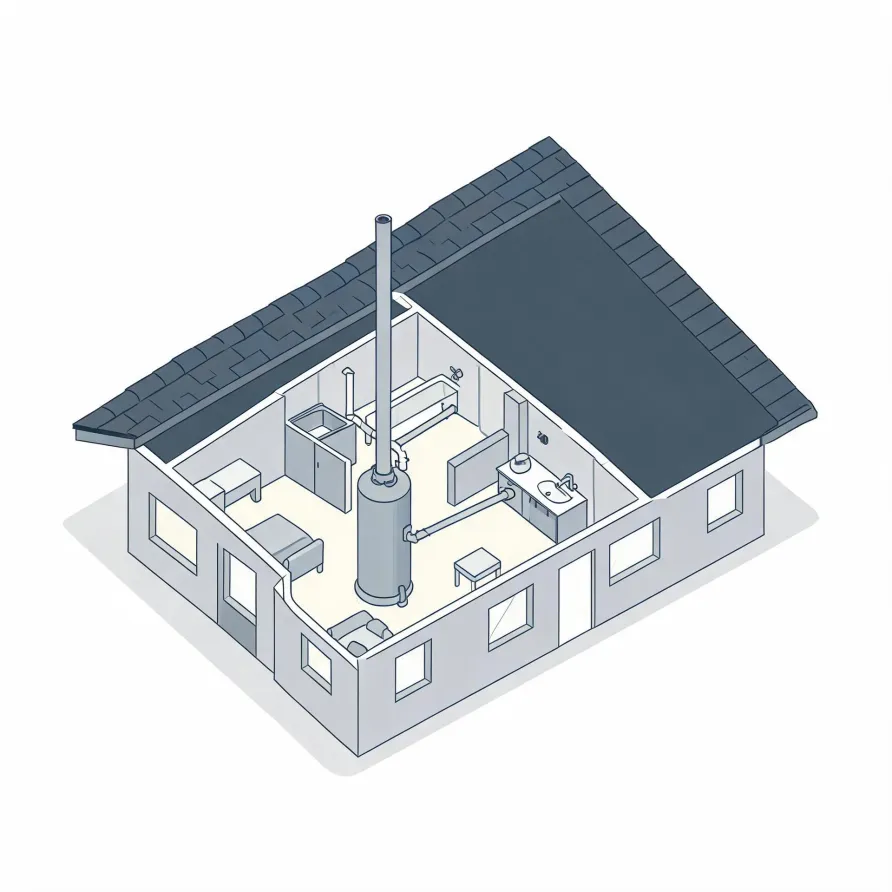
The tank or tankless unit is the heart of the installation. A storage tank unit sits in a utility space, basement, or closet and holds a reservoir of heated water ready to draw from. A tankless unit mounts on a wall and heats water on demand as it passes through.
The pressure relief valve mounts directly on the unit and opens if internal pressure climbs past a safe point. A discharge pipe runs from that valve down toward a floor drain. The cold-water inlet and hot-water outlet connections tie the unit into the home's existing supply lines, and the anode rod sits inside a tank unit to slow corrosion of the lining.
The drawing shows a typical layout, and a licensed contractor determines exactly what fits and applies in your home.
Find a contractor in Lackawanna CountyLackawanna County, by the numbers
177 severe weather events were recorded in Lackawanna County, Pennsylvania between 2015 and 2024.
NOAA National Centers for Environmental Information, Storm Events Database, bulk CSV export, events 2015-01-01 through 2024-12-31.Half the homes in Lackawanna County, Pennsylvania were built in 1955 or earlier (2020-2024 ACS 5-year).
U.S. Census Bureau, 2020-2024 American Community Survey 5-Year EstimatesLackawanna County, Pennsylvania holds 100,177 housing units (2020-2024 ACS 5-year).
U.S. Census Bureau, 2020-2024 American Community Survey 5-Year EstimatesOwners occupy 65.4% of the occupied homes in Lackawanna County, Pennsylvania (2020-2024 ACS 5-year).
U.S. Census Bureau, 2020-2024 American Community Survey 5-Year EstimatesSevere Weather Events in Lackawanna County
Water heaters work harder when outdoor conditions swing far from normal, and that workload shapes how equipment is sized and installed. What the weather does in this area is a local fact, not a general one.
177 severe weather events, 2015–2024. Source: NOAA National Centers for Environmental Information, Storm Events Database.